
cement made of coal limestone manufacturer Grasping strong production capability, advanced research strength and excellent service, Shanghai cement made of coal limestone supplier create the value and bring values to all of customers.
 WhatsApp)
Lime is a mineral made by heating limestone or dolomite in a kiln. Lime is used in a variety of chemical industries, in sugar processing plants, in steel mills, sewage treatment plants, and at paper mills. "Burned" or kilned limestone was also used as plaster and mortar in the homes of early settlers, and even into the mid-20th century.
May 09, 2012· Though "cement" and "concrete" are often used interchangeably, concrete is actually the final product made from cement. The primary component of cement is limestone. To produce cement, limestone and other clay-like materials are heated in a .
Cement is a building material made by grinding calcined limestone and traces of clay and gypsum. Its key use is as an ingredient for concrete or mortar.
Using coal ash to make concrete is one way to physically change the coal ash and encapsulate the toxic elements while creating a valuable material. Concrete is typically made by mixing sand, rock and water with cement — a dry powder often made from burned limestone.
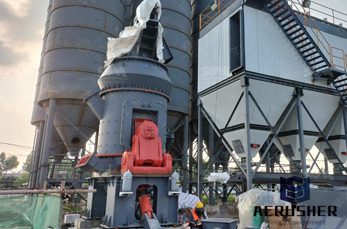
Portland cement is the most common type of cement in general use around the world as a basic ingredient of concrete, mortar, stucco, and non-specialty grout.It was developed from other types of hydraulic lime in England in the mid 19th century, and usually originates from limestone.It is a fine powder, produced by heating limestone and clay minerals in a kiln to form clinker, grinding the ...
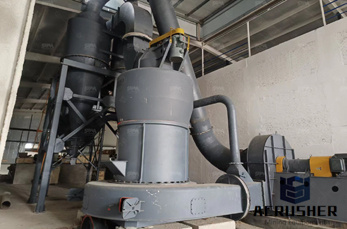
Jun 21, 2018· Producing cement, the main ingredient in concrete, creates 5 percent of global carbon emissions. But now engineers at Rice University have made a new material that could take the place of Portland cement in concrete. The new material is made of fly ash, fine particles formed when coal is burned in power plants.
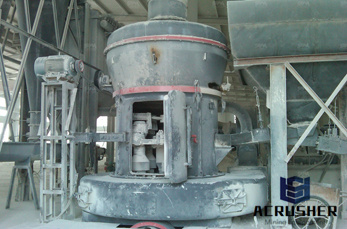
cement made of coal limestone . cement made of coal 2 limestone 2 . Limestone The Calcium Carbonate Chemical Sedimentary Rock. Products made with limestone Limestone is an essential mineral commodity of Limestone is used to produce Portland cement, as aggregate in concrete and CaCO3) or dolomite (calciummagnesium carbonate, CaMg[CO3]2) or both. .
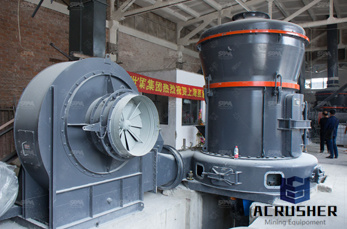
cement made of coal,limestone, Q1 Lime (calcium oxide) is used in agriculture to reduce the acidity, Portland cement was invented by Joseph Aspdin, a builder from Leeds The flow, shows how cement is made, The limestone is heated by the burning coal. Contact Supplier.
Oct 11, 2019· One of the most common uses for fly ash cement is as an additive to form concrete. Concrete is traditionally made with Portland cement, a powdery substance made of ground clinker, calcium sulfate, and other minor additives. Clinker is a material usually made of limestone and minerals, which are crushed and ground together, then heated. Calcium ...
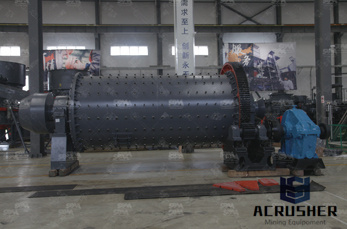
cement, concrete . Cement is made from a mixture of calcium carbonate (generally in the form of limestone), silica, iron oxide and alumina. A high-temperature kiln, often fuelled by coal, heats the raw materials to a partial melt at 1450C, transforming them chemically and physically into a .
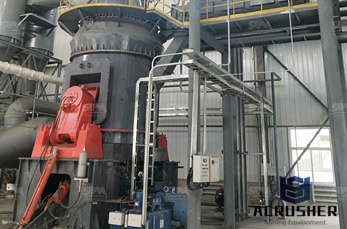
PAVEMENT MADE WITH LIMESTONE AGGREGATE ... the most common byproduct in coal- ... a previous test result of a pavement concrete made with a cement-replacement of 0.4 .
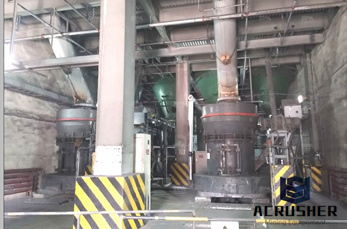
In 1900, the scene before you was a smelly, dirty, noisy inferno. Trains roared in, carrying coal from the nearby northern anthracite fields and local cement rock, a form of limestone. (A historical marker located in Coplay in Lehigh County, Pennsylvania.)
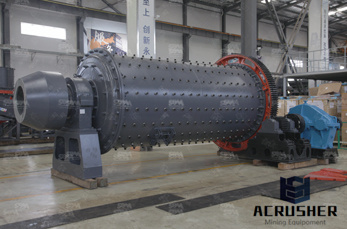
This cement is made by heating limestone (calcium carbonate) with other materials (such as clay) to 1,450 °C (2,640 °F) in a kiln, in a process known as calcination that liberates a molecule of carbon dioxide from the calcium carbonate to form calcium oxide, or quicklime—which then chemically combines with the other materials in the mix to ...
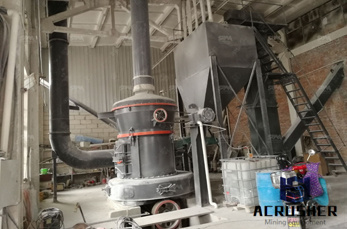
Lafarge products, from cement to ready-mix concrete to stone and asphalt, are in 80 per cent of the buildings and roads in Western Canada. Cement is manufactured by thermally treating a mineral mixture of limestone, sandstone and shale, with some minor raw materials, allowing Exshaw to serve the community by using waste products that would otherwise be landfilled.
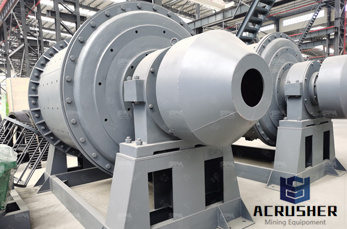
Cement manufacturing process & what is cement made of, it can be discussed conveniently under two headings: Selection of Raw materials and manufacturing methods. Raw Materials of Cement. Most important raw materials (what is cement made of) required in the manufacture of Portland Cement are: Limestone, Clay, Gypsum, Fuel, and Water (in wet method).
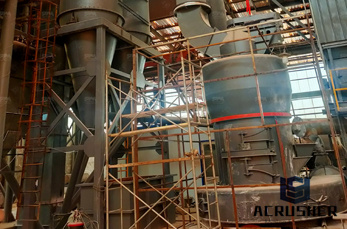
Cement accounts for 83% of total energy use in the production of non-metallic minerals and 94% of CO 2 emissions. Energy represents 20% to 40% of the total cost of cement production. The production of cement clinker from limestone and chalk by heating limestone to temperatures above 950°C is the main energy consuming process.
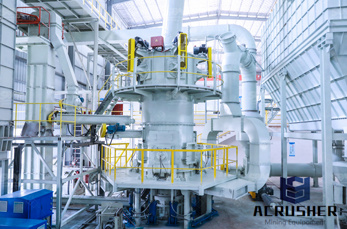
The results revealed that concrete made of cement with 50 wt.-% clinker, 30 wt.-% GGBFS and 20 wt.-% limestone and a w/c-ratio of 0.50 could exhibit comparable hardened properties compared to reference concrete made of slag cement CEM III/A 42.5 N (with 50 wt.-% slag) with the same w/c-ratio.
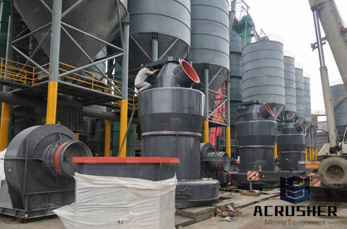
After the clinker is cooled, cement plants grind it and mix it with small amounts of gypsum and limestone. Cement is so fine that 1 pound of cement contains 150 billion grains. The cement is now ready for transport to ready-mix concrete companies to be used in a variety of construction projects.
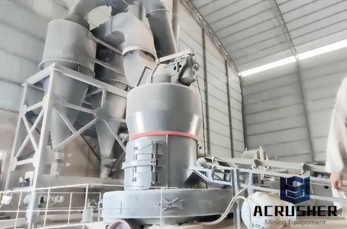
To get cement, you can throw any decent-quality limestone and some clay into a coal-fired kiln, then heat it to 1400 degrees Celsius. In goes a mixture of yellow, brown, gray, and black particles, and out come uniformly colored gray particles.
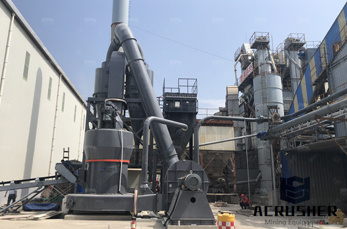
Mar 08, 2017· Your question is very complicated 1 Calculation of the amount of fly ash in clinker: Assuming clinker heat consumption =780 kcal / kg of coal, coal air dry base calorific value of Qnet, ad=5900 kcal 8/ kg of coal, air dry base ash Aad=12% The amou...
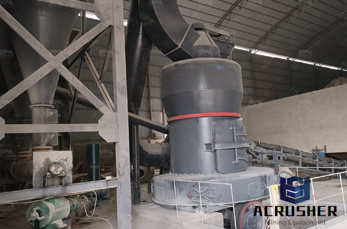
Cement is made from a mixture of calcium carbonate (generally in the form of limestone), silica, iron oxide and alumina. A high-temperature kiln, often fuelled by coal, heats the raw materials to a partial melt at 1450°C, transforming them chemically and physically into a substance known as clinker.
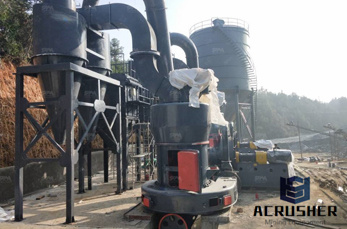
Limestone is one of the two key components required to make cement; the other is clay. To make cement powder, limestone and clay are ground into a powder, mixed together in the proper proportions and then fed into a rotary kiln, which heats the raw materials to around 2,700 degrees Fahrenheit.
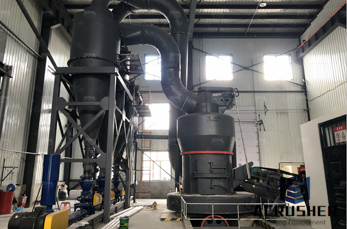
How is cement made? Boral produces 'Portland cement', a variant first manufactured in the 1820s. Crushed limestone, mainly from Boral Cement's mine at Marulan South in New South Wales, is conveyed to a cement works where it is blended along with elements such as shale, iron ore and sometimes sand.
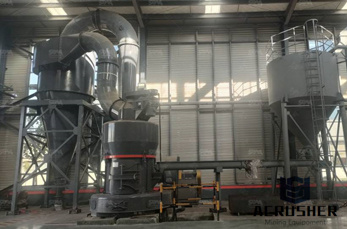
One benefit to using coal energy is that the leftover ash from burning coal, called fly ash, can be used to make a cement paste when mixed with alkaline chemicals like sodium hydroxide (NaOH). ...
WhatsApp)
 Online Chat
 Sales Hotline